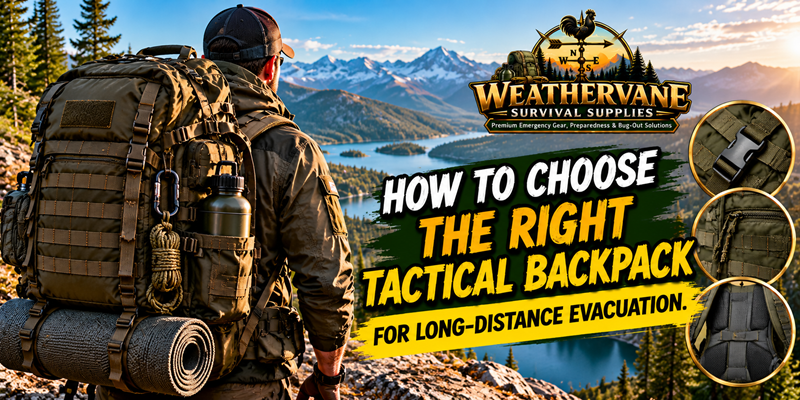
How to Choose the Right Tactical Backpack for Long-Distance Evacuation – During an emergency evacuation, your tactical backpack serves as your primary mobile lifesupport system. When disaster scenarios require traveling on foot across long distances, the durability, capacity, and ergonomic design of your pack directly affect your stamina and overall safety. Selecting the right tactical backpack is not merely about finding a spacious bag; it requires a careful evaluation of weight distribution, load carriage engineering, and material resilience.
How to Choose the Right Tactical Backpack for Long-Distance Evacuation
A poorly fitted or inadequately designed backpack can lead to early exhaustion, painful pressure points, and physical injury. Understanding the key features that define a high-performance evacuation pack enables you to make an informed choice that will perform reliably when it matters most.
Understanding the Demands of Long-Distance Evacuation
Long-distance foot evacuations present challenges distinct from short urban relocations or weekend camping trips. Under emergency conditions, you may need to navigate rough terrain, unpredictable weather, and congested routes while carrying three to five days of critical survival supplies.
Consequently, a long-distance tactical backpack must offer high structural integrity and effective load management. It must withstand harsh physical environments without tearing, while simultaneously transferring heavy pack weight away from your shoulders and onto your hips.
Key Features to Consider When Selecting Your Pack
To ensure your tactical backpack meets the rigorous demands of an evacuation, evaluate prospective choices against five essential criteria.
1. Optimal Storage Capacity and Sizing
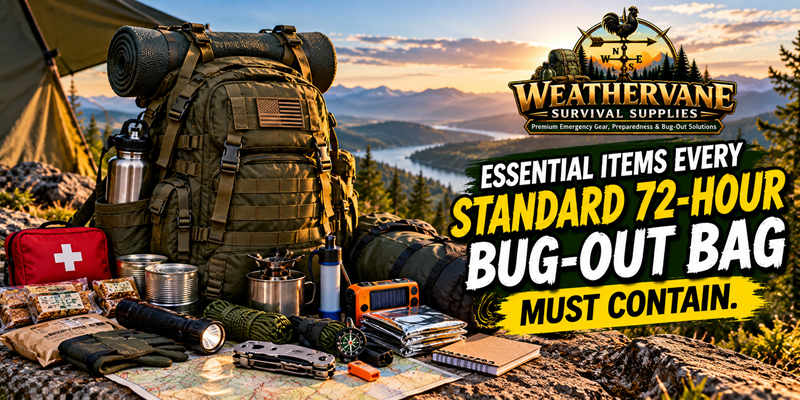
Backpack capacity is measured in liters, and choosing the right size depends on your body frame and anticipated trip duration. Essential Items Every Standard 72-Hour Bug-Out Bag Must Contain
-
40 to 50 Liters: Ideal for standard 72-hour evacuations. This size holds essential food, water, shelter, and first aid supplies without encouraging unnecessary packing.
-
55 Liters and Above: Recommended for extended evacuations or individuals carrying extra supplies for dependents. However, larger bags require strict discipline to avoid excessive weight.
2. Suspension System and Ergonomics
The internal framework and suspension system determine how comfortable the bag remains during long miles of walking.
-
Internal Frame: Aluminum stays or rigid polymer framesheets maintain the bag’s shape, prevent sagging, and distribute weight evenly across your back.
-
Padded Hip Belt: A wide, heavily cushioned hip belt is essential. It transfers up to 70% of the total pack weight directly to your pelvis and legs, dramatically reducing shoulder fatigue.
-
Adjustable Harness: Ensures the shoulder straps match your torso length, keeping the pack tight against your upper body to minimize sway.
3. Material Durability and Weather Resistance
Tactical gear must endure continuous strain, sharp foliage, and adverse weather conditions.
-
High-Denier Fabrics: Look for packs made from 500D to 1000D Cordura nylon. These materials provide exceptional tear resistance and long-term durability while maintaining a reasonable weight.
-
Water-Resistant Coatings: Ensure the fabric features a polyurethane coating or include a dedicated waterproof rain cover to keep interior contents dry during heavy storms.
-
Heavy-Duty Hardware: Double-stitched seams, reinforced stress points, and self-healing YKK zippers prevent mechanical failures in the field.
4. Modular Attachment Capabilities
Organization and fast item retrieval become critical when managing emergencies under low-light or high-stress conditions.
-
MOLLE Webbing: PALS (Pouch Attachment Ladder System) webbing allows you to attach external pouches for water bottles, medical supplies, or tools, making essential items instantly accessible.
-
Multiple Compartments: Dedicated clamshell-opening compartments, internal mesh organizers, and hydration bladder sleeves help keep your gear neatly arranged.
Crucial Steps for Fitting and Testing Your Backpack
Once you select a backpack, proper adjustments and testing are necessary before placing it into service for emergency use.
-
Measure Your Torso Length: Measure the distance from your C7 vertebra at the base of your neck down to the top of your hip bones. Match this measurement to the manufacturer’s sizing guide.
-
Pack with Realistic Weight: Fill the backpack with your actual planned gear or weighted sandbags up to your target carry weight (typically 20% to 25% of your body weight).
-
Conduct Field Practice: Walk three to five miles on mixed terrain. Pay attention to how the pack feels against your lower back, check for shoulder friction, and adjust tension straps accordingly.
Final Thoughts
Your tactical backpack is the foundation upon which your entire evacuation strategy rests. By prioritizing structural ergonomics, durable materials, appropriate capacity, and modular organization, you invest in long-term endurance and mobility. Select a pack that matches your physical capabilities, test it thoroughly during peaceful conditions, and ensure your survival gear is always packed and ready for immediate deployment.