
Oct 15, 2026
Essential Items Every Standard 72-Hour Bug-Out Bag Must Contain
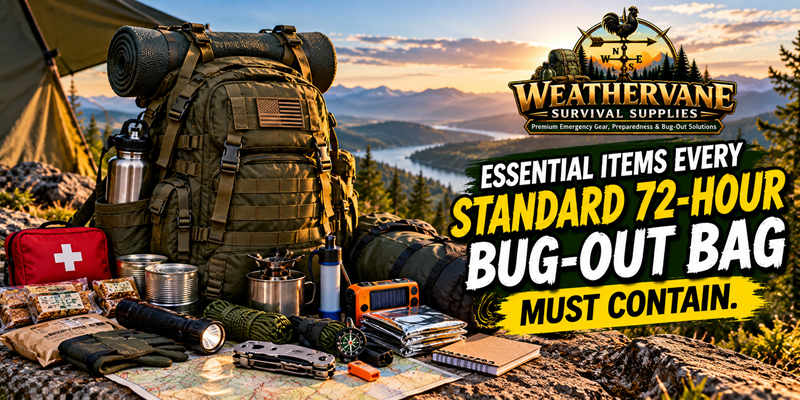
Essential Items Every Standard 72-Hour Bug-Out Bag Must Contain – When disaster strikes, the first seventy-two hours are often the most critical. Natural disasters, sudden civic disruptions, or severe weather events can catch anyone off guard. Having a pre-packed emergency kit—commonly known as a bug-out bag—ensures that you can evacuate quickly and sustain yourself safely until professional emergency response teams arrive or you reach a secure location.
A standard bug-out bag is not meant to be a permanent wilderness survival kit. Instead, it is a mobile, highly optimized collection of essential supplies designed to meet your immediate physical needs while on the move. Building an effective pack requires careful selection, balancing utility and weight to ensure high mobility during stressful conditions.
Understanding the 72-Hour Rule
Emergency management agencies and preparedness experts base the standard bug-out bag on a three-day window. Experience shows that within 72 hours, emergency services typically establish relief stations, restore basic municipal lifelines, or secure evacuation routes.
Therefore, every item packed into your emergency bag must directly support your survival, health, and navigation over this specific timeframe. Packing unnecessary items wastes physical energy, while missing crucial gear compromises your safety.
Core Categories of Essential Bug-Out Bag Items
To maintain a systematic approach, divide your packing list into functional survival pillars. This ensures no critical element is overlooked during assembly.
1. Hydration and Water Purification
Dehydration can impair cognitive function and physical endurance within hours. While carrying three days’ worth of water in bottles is ideal, it is often too heavy for rapid evacuation.
-
Lightweight Water Filter: Portable micro-filters or squeeze systems allow you to safely drink from natural freshwater sources.
-
Chemical Treatment Tablets: A compact backup method to neutralize bacteria and viruses in standing water.
-
Durable Metal Canteen: Serves as both a water storage vessel and a container for boiling water over an open flame.
2. Emergency Nutrition
Physical exertion during an evacuation demands high caloric intake. Food items in your bag must require zero refrigeration, feature a long shelf life, and be ready to eat with minimal preparation.
-
High-Calorie Ration Bars: Compact, nutrient-dense blocks designed to sustain energy levels under high stress.
-
Freeze-Dried Meals: Lightweight options that can be rehydrated quickly with hot water.
-
High-Energy Snacks: Nuts, beef jerky, and trail mix provide quick glucose boosts while on the move.
3. Shelter and Thermal Regulation
Exposure to extreme weather, wind, and rain poses a severe risk of hypothermia or heat exhaustion. Maintaining your core body temperature is non-negotiable.
-
Mylar Emergency Blankets: These ultra-lightweight sheets reflect up to 90% of your body heat back to you.
-
Compact Emergency Tarp: Provides quick shelter from rain, wind, or harsh direct sunlight.
-
Weather-Appropriate Apparel: Pack a spare set of moisture-wicking socks, thermal base layers, and a durable waterproof outer jacket.
4. Illumination, Navigation, and Tools
Navigating unfamiliar territory during a power outage requires reliable tools that do not depend on digital infrastructure.
-
LED Headlamp: Keeps your hands free while setting up camp or walking in low-light conditions.
-
Paper Topographical Maps: Digital devices can lose battery or cellular signal; physical maps are infallible when kept in a waterproof case.
-
Magnetic Compass: Essential for accurate directional orientation alongside your maps.
-
Multitool or Fixed-Blade Knife: A versatile tool used for cutting cordage, preparing kindling, and performing minor gear repairs.
5. First Aid and Personal Hygiene
Minor cuts, blisters, or scratches can quickly escalate into debilitating infections if left unattended in austere environments.
-
Trauma and First Aid Kit: Stocked with antiseptic wipes, sterile gauze pads, medical tape, adhesive bandages, and basic pain relief medication.
-
Prescription Medications: A dedicated three-day supply of any vital personal medicines.
-
Sanitation Essentials: Travel-sized hand sanitizer, wet wipes, and biodegradable soap to maintain basic hygiene and prevent illness.
Best Practices for Packing and Maintenance
Assembling the right gear is only part of the equation. How you organize and maintain your bag dictates its real-world effectiveness.
-
Optimize Weight Distribution: Place dense items like water and tools near the center of the backpack, resting close to your spine. This minimizes shoulder strain and keeps your center of gravity balanced.
-
Utilize Waterproof Pouches: Protect sensitive items such as maps, fire-starting materials, and first-aid supplies by storing them inside zip-lock bags or dry sacks.
-
Inspect Your Kit Bi-Annually: Review your bag every six months. Check food and medicine expiration dates, test flashlight batteries, and adjust clothing layers based on upcoming seasonal changes.
Final Thoughts
A well-prepared 72-hour bug-out bag acts as your primary insurance policy against unexpected emergencies. By focusing on lightweight shelter, clean hydration, caloric sustenance, and reliable tools, you create a self-sufficient foundation that protects both you and your loved ones when chaos strikes. Take time to build, test, and refine your kit today so you are never caught unprepared tomorrow.
More Details