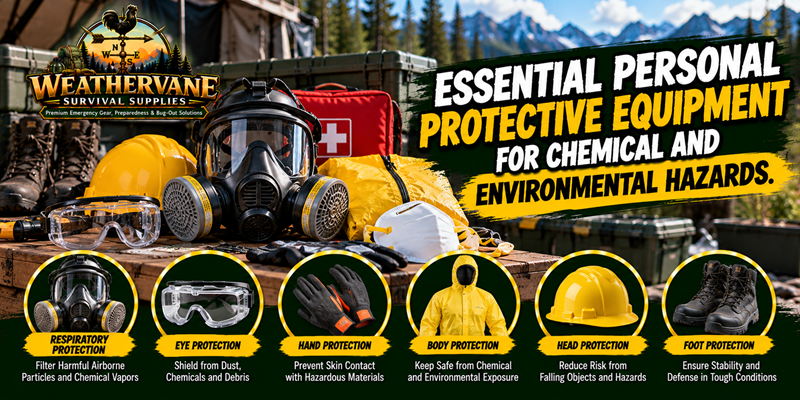
Essential Personal Protective Equipment for Chemical and Environmental Hazards – In an unpredictable world, environmental disasters, industrial chemical spills, and toxic airborne contamination represent significant threats to public safety. Hazardous material incidents can occur suddenly due to transport accidents, chemical plant failures, or severe weather disruptions. When toxic agents contaminate the surrounding air or surface environments, standard apparel provides zero protection.
Essential Personal Protective Equipment for Chemical and Environmental Hazards
Equipping yourself with essential personal protective equipment (PPE) designed for chemical and environmental hazards is a vital aspect of comprehensive emergency preparedness. Understanding how specialized protective barriers, filtration respirators, and skin enclosures function allows you to mitigate health risks and escape contaminated zones safely.
Understanding Environmental and Chemical Threats
Environmental hazards generally manifest in three physical forms: airborne gases or vapors, liquid chemical splashes, and toxic particulate matter like heavy soot, industrial dust, or fallout.
Inhaling chemical particulates or absorbing toxic agents through the skin can cause severe respiratory damage, chemical burns, or long-term organ failure. Therefore, protective gear must create an impenetrable physical shield that isolates the human body from hazardous surroundings while maintaining mobility.
Core Components of Chemical Personal Protective Equipment
Building a functional chemical defense kit requires selecting standardized gear that covers the respiratory system, skin, eyes, and extremities.
1. Respiratory Protection Systems
The lungs are the most vulnerable pathway for toxic exposure. Respiratory gear filters out airborne toxins before they reach your bloodstream.
-
Half-Face and Full-Face Respirators: High-grade elastomeric masks fitted with dual filter cartridges provide a tight seal against the face.
-
CBRN-Rated Filter Cartridges: Always choose filters specifically rated for Chemical, Biological, Radiological, and Nuclear (CBRN) threats. CBRN canisters utilize activated charcoal and HEPA layers to neutralize toxic industrial chemicals, organic vapors, and radioactive particulates.
2. Chemical Protective Suits (HAZMAT Coveralls)
Standard cotton or synthetic clothing absorbs liquid chemicals rapidly. Specialized protective suit barriers block liquid penetration completely.
-
Tychem and Tyvek Barrier Suits: Tychem suits feature laminated polymer films that resist high-pressure chemical splashes and corrosive liquids.
-
Sealed Seams and Elastic Cuffs: Ensure suit seams are taped or heat-sealed. Elastic wrists, ankles, and hoods prevent toxic dust or droplets from entering around opening points.
3. Heavy-Duty Chemical Gloves
Hands are most likely to touch contaminated surfaces during emergency operations.
-
Butyl Rubber and Nitrile Gloves: Heavy-duty butyl rubber gloves offer exceptional resistance to corrosive acids, harsh solvents, and chemical agents.
-
Double-Gloving Technique: Wear thin inner nitrile gloves under thick outer chemical gloves to ensure continuous protection if the outer layer sustains a tear.
4. Protective Eyewear and Sealed Goggles
Chemical vapors and acidic mists irritate eye tissue rapidly, leading to temporary blindness. Full-face respirators provide built-in eye protection. If using half-mask respirators, pair them with non-vented, anti-fog chemical splash goggles that form a airtight rubber seal around your orbits.
Key Selection and Maintenance Criteria
To ensure your chemical protection gear performs reliably under stress, follow strict selection and care protocols:
-
Verify Official Safety Certifications: Select gear tested and certified by recognized authorities, such as NIOSH (National Institute for Occupational Safety and Health) or OSHA standards.
-
Ensure Proper Fit Testing: A respirator mask cannot protect you if it leaks. Perform positive and negative seal checks every time you don your mask to verify an airtight fit.
-
Inspect Shelf Life Ratings: Rubber gaskets, elastic straps, and filter canisters degrade over time. Check expiration dates on CBRN filters and replace degraded rubber seals every few years.
Proper Donning and Doffing Procedures
Wearing high-grade protective gear is only half the process; removing it safely prevents accidental secondary contamination.
-
Donning (Putting On): Put on your suit first, followed by your respirator, hood, boots, and gloves. Use heavy-duty duct tape or chemical tape to seal the overlap joints between your gloves, boots, and suit cuffs.
-
Doffing (Taking Off): Treat the exterior of all gear as highly toxic. Peel suits downward and outward, turning them inside out as you step out of them. Remove your respiratory mask last, after cleaning your hands, to avoid inhaling residual surface toxins.
Final Thoughts
Investing in essential personal protective equipment for chemical and environmental hazards provides QQ889 SLOT PULSA critical physical security during high-risk industrial or environmental disasters. By selecting NIOSH-certified CBRN respirators, durable chemical suits, butyl gloves, and sealed goggles, you create an effective defense against toxic surroundings. Prepare your gear today, practice proper fit protocols, and ensure your emergency kit contains the physical barriers necessary to navigate hazardous environments safely.