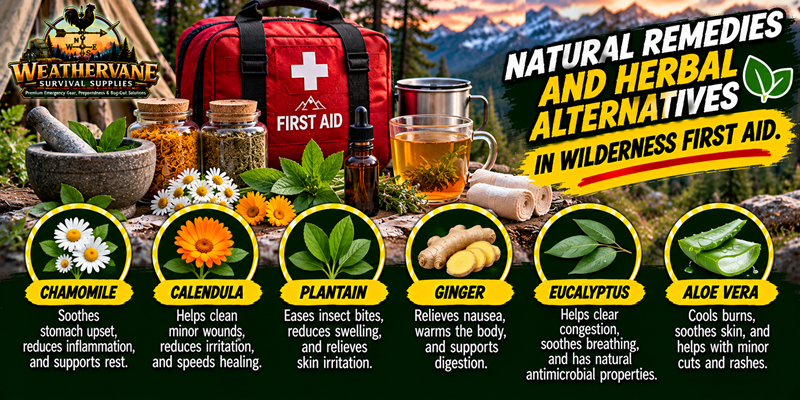
Natural Remedies and Herbal Alternatives in Wilderness First Aid – When severe backcountry accidents or prolonged off-grid emergencies deplete standard commercial medical kits, knowing how to utilize surrounding botanical resources becomes an invaluable survival skill. For centuries before synthetic pharmaceuticals existed, wilderness travelers relied on native medicinal flora to treat acute wounds, soothe thermal burns, and manage gastrointestinal distress. While modern trauma gear remains essential for life-threatening arterial injuries, plant-based treatments provide reliable secondary support when commercial supplies run out.
Natural Remedies and Herbal Alternatives in Wilderness First Aid
Understanding natural remedies and herbal alternatives in wilderness first aid bridges the gap between modern field medicine and traditional bushcraft knowledge. Learning how to accurately identify beneficial plants, prepare safe topical poultices, and apply botanical antiseptics empowers outdoor adventurers to manage minor injuries effectively in remote environments.
The Role and Limitations of Botanical Field Medicine
Integrating natural remedies into a survival medical strategy requires clear operational boundaries. Herbal alternatives are best suited for minor to moderate ailments—such as superficial lacerations, insect bites, localized inflammation, mild fevers, and digestive upset.
Botanical treatments cannot replace mechanical tourniquets for severe arterial bleeding, nor can they substitute for emergency surgical intervention during acute appendicitis or compound fractures. Recognizing when to deploy plant-based medicine versus when to evacuate immediately ensures safe field decision-making.
Essential Medicinal Plants for Backcountry First Aid
Several widely distributed wild plants offer well-documented pharmacological properties that assist in emergency wound and symptom management.
1. Broadleaf Plantain (Plantago major)
Often dismissed as a common lawn weed, broadleaf plantain thrives across temperate woodlands, meadows, and disturbed trails worldwide.
-
Active Properties: Contains allantoin, which stimulates cellular tissue regeneration, alongside natural tannins that act as mild astringents.
-
Field Application: Crush clean, fresh plantain leaves into a moist green paste and apply directly over bee stings, mosquito bites, minor scrapes, or poison ivy rashes to draw out toxins and reduce localized swelling.
2. Yarrow (Achillea millefolium)
Recognizable by its feathery, fern-like foliage and flat-topped clusters of small white flowers, yarrow is one of the most revered styptic herbs in traditional field medicine.
-
Active Properties: Rich in achilleine, an alkaloid compound that accelerates blood coagulation, plus natural volatile oils with antimicrobial effects.
-
Field Application: Pack crushed fresh leaves or dried yarrow powder directly into minor bleeding cuts and nosebleeds to slow capillary blood flow rapidly.
3. Usnea Lichen (Usnea barbata)
Commonly called “Old Man’s Beard,” usnea is a pale gray-green lichen hanging from conifer and hardwood tree branches in clean, humid forests.
-
Active Properties: Contains usnic acid, a potent natural antibacterial and antifungal agent effective against gram-positive bacteria.
-
Field Application: Tear open the outer sheath to verify the stretchy white inner cord (confirming true usnea), then apply directly over minor abrasions as an emergency antimicrobial wound dressing.
4. Willow Bark (Salix species)
Growing reliably near streams, riverbanks, and wetlands, willow trees provide an effective natural analgesic for pain and fever management.
-
Active Properties: The inner bark contains salicin, the natural chemical precursor to modern aspirin (acetylsalicylic acid).
-
Field Application: Scrape the green inner bark from young twigs and simmer gently in clean water for fifteen minutes to create a bitter tea that relieves headaches, muscle aches, and mild fevers.
Field Preparation Techniques for Herbal Treatments
Raw plants require simple processing methods in the field to extract active medicinal compounds safely:
-
Field Poultices: Chew or mash clean, pesticide-free leaves with a few drops of purified water until a cohesive paste forms. Press the paste directly onto closed skin irritations or minor scrapes, securing it with a clean cloth strip.
-
Medicinal Infusions (Teas): Steep delicate leaves or flowers in hot, previously boiled water for ten minutes inside a covered cup to trap volatile healing oils before drinking.
-
Decoctions: Simmer tough plant materials—such as roots, seeds, or tree bark—in boiling water for twenty to thirty minutes to break down dense cell walls and release internal compounds.
Critical Safety Rules for Wild Plant Harvesting
Misidentifying toxic flora can cause severe poisoning, organ failure, or fatal allergic reactions during an already stressful crisis:
-
Follow the 100% Identification Rule: Never ingest or apply any wild plant unless you can identify its exact species with absolute certainty using multiple botanical characteristics.
-
Avoid Contaminated Harvest Zones: Never harvest medicinal plants growing alongside busy highways, industrial runoff ditches, or chemically treated agricultural fields, as plants absorb heavy metals and toxic herbicides.
-
Conduct Patch Tests: Before applying an unfamiliar herbal paste over large skin areas, rub a tiny amount onto your inner forearm and wait thirty minutes to verify no allergic contact dermatitis occurs. Understanding Sanitation and Hygiene Protocols in Emergency Shelters
Final Thoughts
Incorporating natural remedies and herbal alternatives in wilderness first aid adds a resilient, self-sustaining layer to your emergency medical capabilities. By mastering the identification and preparation of broadleaf plantain, yarrow, usnea lichen, and willow bark, you gain renewable resources for treating minor field injuries when commercial kits run low. Practice ethical plant identification today to expand your medical readiness for any off-grid adventure.